Modern homebuyers are drawn to homes that feel move-in ready. Updated surfaces and low-maintenance materials signal that the property requires little immediate work, giving prospective homeowners more confidence about their purchase.
Outdated finishes, on the other hand, can create hesitation, even when the home is structurally sound. The good news is that small visual changes, such as fireplace refacing or an accent wall, can quickly shift that perception. Faux wall panels have become a popular option in these situations, offering style and DIY-friendly flexibility without the cost of real materials.
But does using faux wall panels add resale value to your home? And do buyers see them as a meaningful upgrade or simply a cosmetic choice?
What Buyers Look for When Purchasing a Home
First impressions matter. Many buyers form an opinion within moments of walking through the door, and that initial reaction often shapes how they view the rest of the property.
Cosmetic improvements play a significant role in shaping their purchase decision. Buyers want homes that look finished, even when the improvements are mostly surface-level.
Visual updates, such as fresh paint and updated fixtures, can show that the property has been properly cared for. Buyers are also drawn to functional, high-impact spaces such as kitchens and bathrooms because they recognize the cost and disruption involved in renovating them.
When a home feels current and low-maintenance, buyers may be more likely to act quickly and make stronger offers.
The ROI of Cosmetic Improvements: Can You Increase Home Value With Wall Panels?
Not all upgrades pay off in the same way. When preparing a home for sale, cosmetic improvements can outperform big-ticket remodels in terms of return on investment.
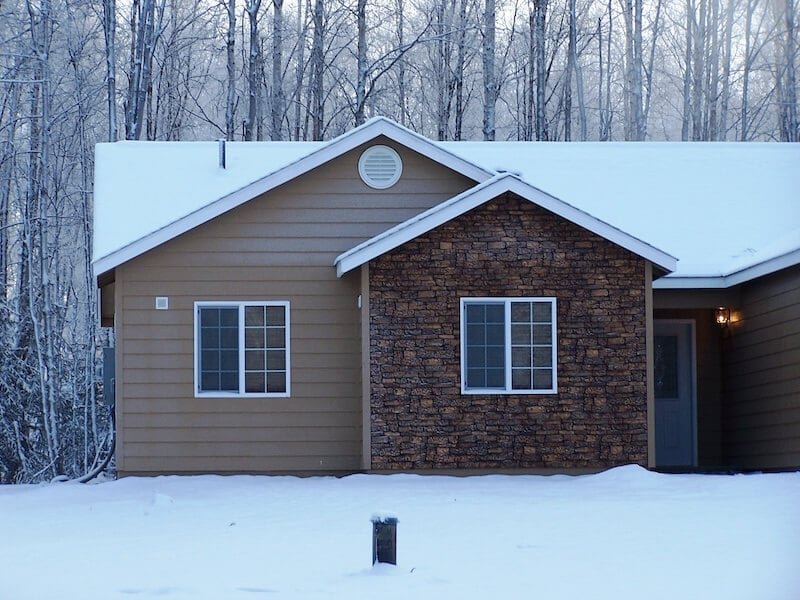
Remodeling Magazine’s 2023 Cost vs. Value report found that adding manufactured stone veneer delivered an average return of approximately 102%. In contrast, an upscale kitchen remodel recouped about 32% on average, while larger renovations, such as bathroom additions or primary-suite upgrades, often returned less than 50%.
Visual updates carry weight because buyers shop with their eyes first. A fresh-looking home can make a stronger first impression and attract faster, higher offers, while a dated or unstaged home may remain on the market longer.
Faux Wall Panels: Aesthetic Appeal Without the Price Tag
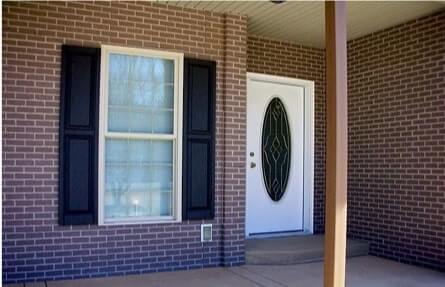
Faux wall panels are lightweight, manufactured panels that replicate the look of materials such as stone, brick, or wood without the cost or installation demands of the real thing. Designed for realism and ease of use, they allow homeowners to create a rich, textured look at a fraction of the price.
Here are several reasons homeowners choose faux wall panels for home improvement projects:
- Affordable luxury: Faux panels cost less than quarried stone or hardwood. Homeowners pay for realistic design rather than heavy raw materials.
- DIY-friendly installation: Lightweight panels are easy to handle and cut, and many can be installed with standard adhesive and screws.
- Realistic appearance: Molds cast from real textures and hand-finished surfaces create authentic depth and color variation.
- Low maintenance and durability: Many panels resist water and pests and are made for long-term indoor or outdoor use.
- Design flexibility: Homeowners can choose from styles that suit farmhouse, modern, rustic, traditional, or industrial spaces.
How Faux Wall Panels Can Help Sell a Home Faster
Faux panel upgrades do more than change how a room looks. A well-staged, visually interesting space can create an emotional connection and make a home more memorable to prospective buyers.
Staging and Visual Impact
In real estate, staging is about making a home feel inviting and memorable. Faux panels can serve a similar purpose to artwork or accent lighting by adding depth, character, and a focal point. Home staging with wall panels can give a room the polished, move-in-ready look many buyers prefer.
Emotional Response
A faux stone wall or wood accent can soften a sterile room and make it feel warmer. Added texture and visual contrast may help buyers picture themselves living in the space, which can strengthen their emotional response to the home.
Faster, Stronger Offers
Homes that feel updated and well presented often attract more attention. Faux panels can create a staged appearance without the cost of a major renovation, making them a practical option among affordable home resale upgrades.
Before-and-After Impact and Perceived Value
Before-and-after transformations can be persuasive. A flat, overlooked wall can become a standout feature when finished with textured panels. Showing that improvement in listing photos can also signal that care and thought were put into the home.
Ideal Areas to Install Faux Wall Panels for Impact
One of the biggest advantages of faux panels is their flexibility. They create visual impact without heavy materials or lengthy construction. Because they are lightweight and relatively easy to install, they can also work well for DIY upgrades before selling a home.
Consider these four areas:
- Entryway focal wall: First impressions begin at the front door. An accent wall in the entry or foyer can set a polished tone right away and make the space feel intentionally designed.
- Kitchen backsplash or island: Faux panels can add contrast and texture behind counters or on the face of an island, giving the kitchen a more custom look without a full remodel.
- Fireplace surround or feature wall: Faux stone or brick can turn a fireplace into a warm focal point. Always follow product instructions and maintain required clearances near heat sources.
- Basement or recreation room accent: Faux panels can warm up a plain wall and help conceal minor surface flaws. Moisture-resistant options may be particularly useful in lower-level spaces.
When Faux Panels Might Not Add Value
You may be able to increase a home’s perceived value with wall panels, but context and execution matter. Poor installation or a style that clashes with the home can work against the sale.
- Poor installation or quality: Misaligned seams, visible edges, or low-quality materials can make a room look unfinished.
- Overly personal design choices: Loud colors, unusual textures, or highly specific styles may not appeal to a broad range of buyers.
- A mismatch with the home’s price point: Faux materials may feel out of place in a luxury home unless they are highly realistic. In a modest home, however, they can add polish without an outsized renovation budget.
- Too much texture in a small space: Dark or heavily textured panels can make a compact room feel smaller when overused.
- Covering a larger problem: Repair moisture damage, structural issues, or other defects before adding a decorative finish. Buyers may appreciate cosmetic upgrades, but they still expect the home to be sound.
Put the Right Look on the Market With Texture Plus
So, does using faux wall panels add resale value to your home? When installed with care and selected to suit the space, faux panels can increase perceived value and buyer appeal without the cost or weight of real stone, brick, or wood.
Buyers are drawn to homes that feel updated, polished, and ready to enjoy. That first impression often begins with the walls. For homeowners looking for a practical project that can help a property stand out, Texture Plus faux wall panels offer both style and straightforward installation.