You’ve painted the walls, updated the flooring, maybe even changed the lighting, but the room still feels flat. Something’s missing.
It’s a common frustration for homeowners and designers alike: walls that lack dimension or character. In commercial spaces, the challenge is creating professional and welcoming environments without the time or expense of a full renovation.
The solution? Wainscoting.
This classic architectural detail instantly adds depth, texture, and sophistication to any wall. It transforms plain surfaces into refined focal points, whether you’re elevating a home entryway, creating warmth in a dining room, or adding polish to a client’s retail space. Beyond aesthetics, wainscoting also protects high-traffic walls from scuffs and wear, making it both practical and beautiful.
What Is Wainscoting?
Wainscoting is a decorative and functional form of wall paneling that covers the lower section of an interior wall, typically extending from the floor to the chair rail or the upper section of the wall. Originally used to protect plaster from damage and moisture, it has become a versatile design feature that adds texture and architectural charm to residential and commercial spaces.
Traditionally, wainscoting was crafted from solid wood, but modern options include medium-density fiberboard (MDF), polyvinyl chloride (PVC), and lightweight faux wainscoting panels. These alternatives offer the same aesthetic impact with easier installation and lower maintenance. Homeowners and designers use wainscoting to balance wall proportions, create visual interest, or introduce classic design lines that connect trim, flooring, and furniture.
Beyond style, wainscoting serves practical purposes: it protects walls from everyday wear and can even add a modest layer of insulation in colder rooms.
The History of Wainscoting
The origin of wainscoting dates back to the 16th century in Europe. In large stone buildings, wooden panels were installed along the lower walls to reduce dampness and drafts. Early examples were made from oak or pine and often featured raised, carved panels that added both warmth and beauty to the space.
By the eighteenth and nineteenth centuries, wainscoting had spread to North America, where improvements in millwork made paneling more accessible. It became a hallmark of formal rooms such as parlors, dining rooms, and libraries.
As heating systems evolved, the need for wall protection declined, but the decorative appeal of wainscoting remained. Today, it’s valued as a timeless design element that can enhance any interior style, from traditional to contemporary.
Types of Wainscoting
Each type of wainscoting offers distinct visual and stylistic qualities. Choosing the right one depends on your room’s design, level of formality, and the materials you prefer.
Raised Panel Wainscoting
Raised panel wainscoting is the most traditional style. It features beveled center panels framed by vertical and horizontal molding (called stiles and rails). The raised center adds depth and sophistication to the wall, making it ideal for formal areas such as dining rooms or studies.
Flat Panel Wainscoting
Flat panel wainscoting offers a clean, streamlined look. Its recessed panels create subtle dimension without ornate detailing, making it well-suited to modern, transitional, or craftsman-inspired spaces. The simplicity of this style allows bolder color choices or patterned wallpaper above the chair rail.
Beadboard
Beadboard consists of narrow vertical planks with a small ridge, or bead, between each board. This design originated in cottages and coastal homes, giving it a casual and inviting character. It’s a popular choice for bathrooms, kitchens, and mudrooms, where it adds charm and helps protect walls from moisture and wear and tear.
Board and Batten
Board and batten wainscoting uses wide boards spaced apart with thin battens covering the seams. The result is a structured, rhythmic pattern that works well in both rustic and modern interiors. Depending on the spacing, paint color, and trim finish, board and batten can transition seamlessly from a farmhouse style to a contemporary one.
Faux Wainscoting
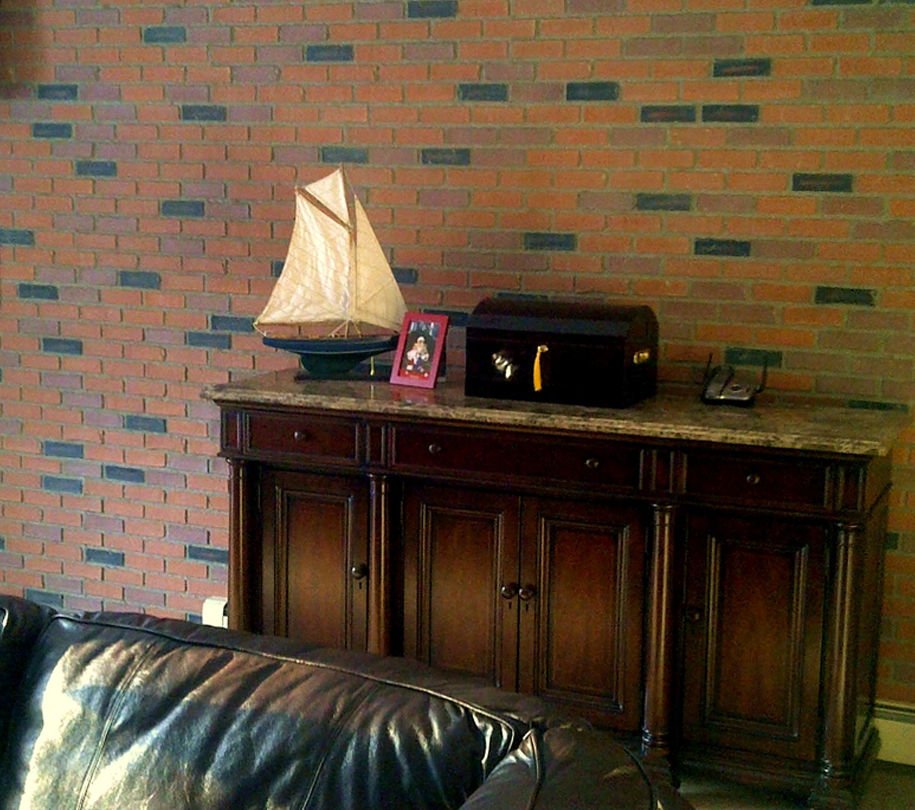
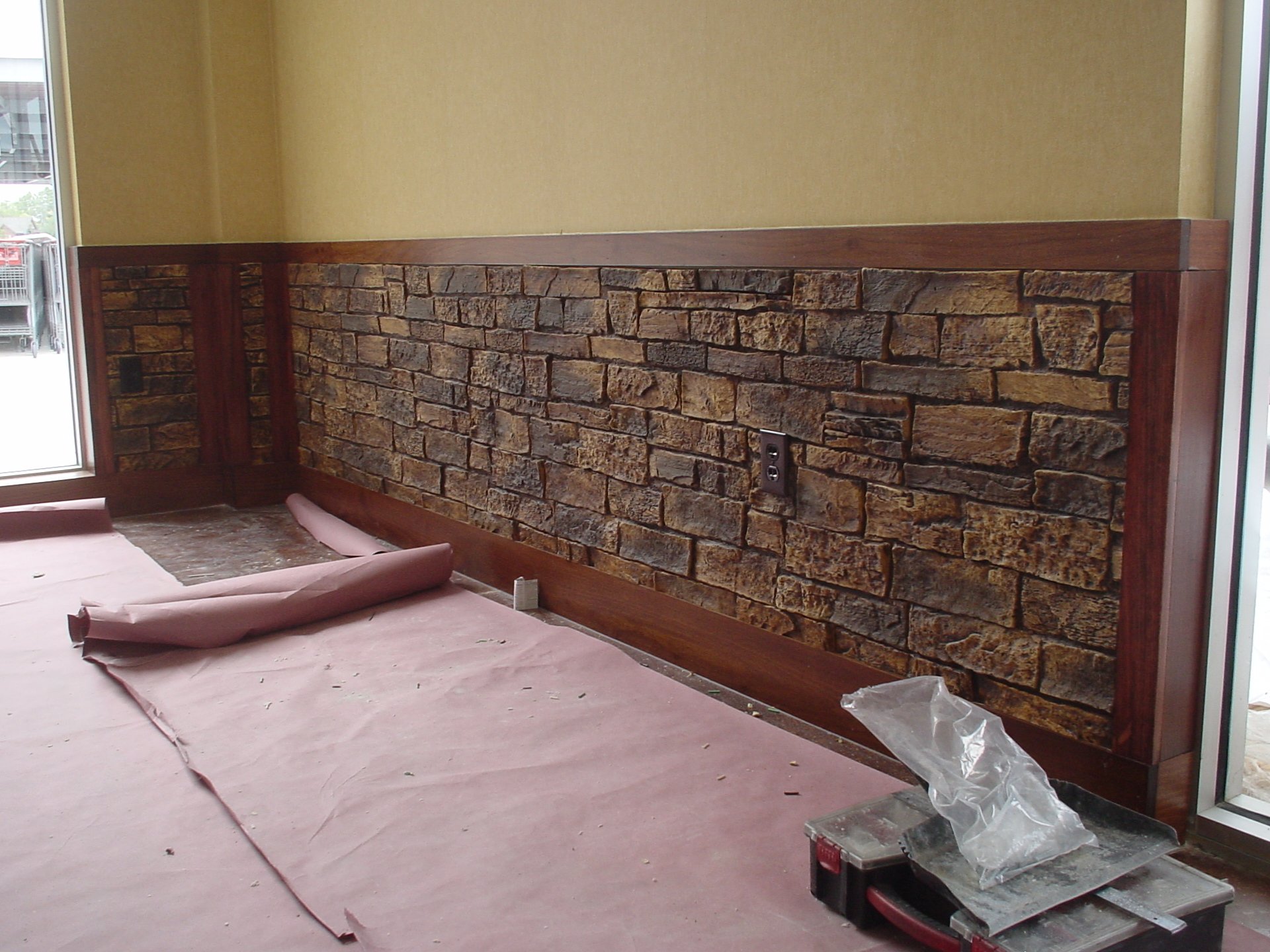
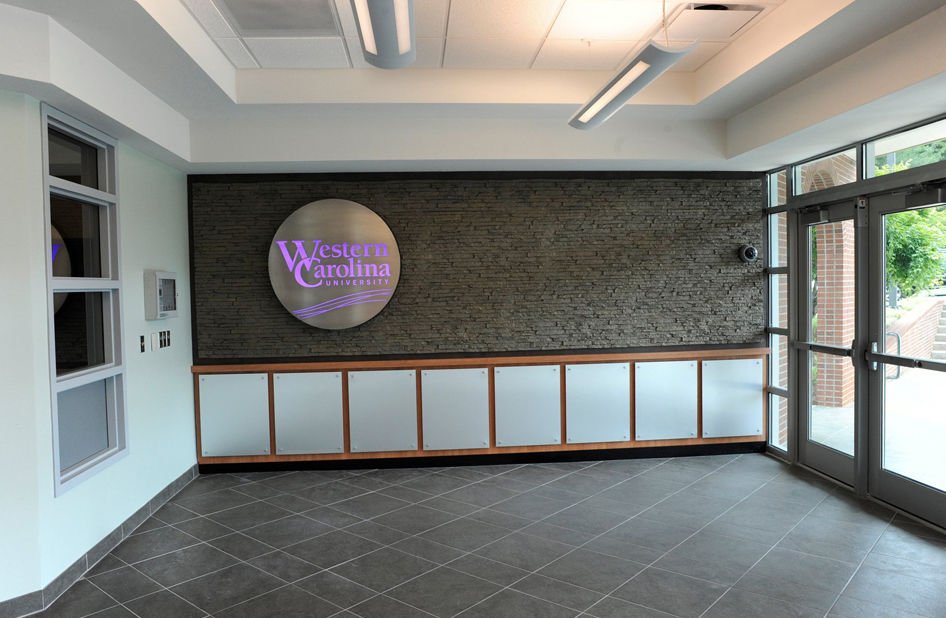
Faux wainscoting offers the same visual depth as traditional millwork without the need for complex carpentry. These panels mimic the textures of wood, stone, or brick and can be installed directly onto drywall with basic tools.
Materials for Modern Wainscoting
Modern wainscoting is available in a variety of materials, each suited to different design goals and conditions:
- Real wood delivers authentic texture and warmth, but may be more expensive and sensitive to moisture.
- MDF provides a smooth, paintable surface at a lower cost, but is less ideal for humid rooms.
- PVC and other synthetic materials are moisture-resistant, durable, and easy to clean, making them excellent choices for bathrooms, kitchens, or commercial spaces.
Faux wall panels offer a modern alternative that balances beauty with practicality. Made from high-density polyurethane or composite resins, these panels are molded to replicate the texture and depth of real wood, stone, or brick.
This combination delivers a convincing three-dimensional look without the weight or complexity typically associated with traditional materials. It also offers durability, moisture resistance, and visual versatility, while remaining lightweight and simple to install.
How High Should Wainscoting Be?
Traditionally, wainscoting reaches about one-third of the wall height, typically between 32 and 36 inches for an eight-foot ceiling. This proportion offers visual balance and protects the most vulnerable section of the wall.
In modern designs, taller wainscoting extending up to two-thirds of the wall can make a space feel more formal or create a striking design statement. Taller panels are often used behind headboards, along staircases, or in entryways to add a dramatic sense of height.
Installing Wainscoting: DIY or Professional?
The installation process depends largely on the style you choose and your comfort level with tools. Some wainscoting projects are straightforward enough for a confident DIYer, while others benefit from professional precision.
DIY installation works well for simpler styles, such as beadboard or flat panels. You’ll measure the wall height, cut the panels to size, and secure them with construction adhesive or finishing nails using basic tools such as a level, miter saw, and caulk gun. Faux panels make the process even easier, arriving pre-finished and ready to trim and fit without extensive prep work.
Meanwhile, professional installation is worth considering for custom or intricate designs, such as raised panel wainscoting with complex joinery or detailed trim work. A contractor ensures clean corners, perfectly level panels, and consistent alignment, which is especially important in large spaces or multi-room installations where small errors can become visibly compounded.
Maintenance and Care for Wainscoting
Most wainscoting can maintain its appearance for many years with minimal upkeep. Regular maintenance not only keeps panels looking clean but also helps preserve their finish and durability over time.
Here are a few practical tips for maintaining wainscoting:
- Dust Regularly: Use a soft microfiber cloth or duster to prevent buildup on panel grooves and trim.
- Clean Gently: Wipe painted or sealed surfaces with a soft cloth dampened with mild soap and water.
- Avoid Harsh Cleaners: Steer clear of abrasive pads or strong chemicals that could damage paint, finish, or veneer.
- Address Moisture Quickly: In bathrooms or kitchens, dry splashes promptly to prevent swelling or warping.
- Repaint or Reseal as Needed: For real wood or MDF panels, a fresh coat of paint or sealant every few years helps maintain protection.
- Inspect Trim and Joints: Look for small gaps or lifting edges and re-caulk or touch up as necessary.
If you’d rather skip the ongoing maintenance that comes with traditional materials, faux wall panels are the smarter choice. They resist moisture, fading, and impact, requiring nothing more than an occasional wipedown to stay looking fresh. It’s the ideal solution for spaces where you need long-term durability without the hassle.
Get Started With Texture Plus Faux Wainscoting Panels
Whether you’re updating a home entryway or designing a commercial interior, faux wainscoting panels deliver architectural style without the cost, weight, or complexity of traditional materials.
Explore the full range of faux wood, stone, and brick designs at TexturePlus. Then, take the next step: order free samples to see the quality firsthand, or request a consultation to plan your project with expert guidance.