


Faux Wainscoting Panels & Faux Wainscoting — Stylish Wall Treatments for Every Room

Price Match Guarantee


Price Match Guarantee
In the rare case where a competitor beats our pricing, we’ll match any of our competitor’s published pricing per square foot. Just head to the contact page and give us a call, or fill out the form and we’ll get you set up.
Faux wainscoting panels give you an easy way to add decorative detail and timeless style to your walls without the cost or complexity of traditional millwork. You can create depth and structure in a room without cutting and assembling dozens of wood trim pieces. Instead, you install lightweight panels that replicate the look in fewer steps.
If you’re researching faux wainscoting, you’re likely comparing styles, materials, and installation options. This guide explains what faux wainscoting is, how it differs from traditional wood trim, where you can use it, and what to consider before starting your project.
What Is Faux Wainscoting?
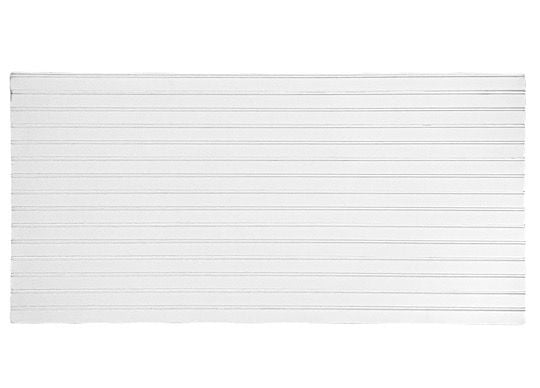
Faux wainscoting is a decorative wall treatment that recreates the look of traditional wood paneling using modern materials. Instead of building the layout from individual boards and trim, you install panels that already contain the design.
Traditional wainscoting requires you to measure, cut, space, and fasten multiple pieces of solid wood or MDF. Decorative wainscot panels simplify that process by reducing the number of components and installation steps.
In most cases, faux wainscoting:
- Is made of PVC, composite, or high-density polyurethane materials
- Comes in lightweight panels that you can handle more easily than solid wood
- Installs in larger sections instead of individual boards
- Replicates beadboard, raised panel, or flat panel layouts
When you choose faux wainscoting, you still get the structured lower-wall detail people associate with traditional trim work. You just achieve it with less labor, fewer tools, and lower costs.
Popular Faux Wainscoting Styles & Materials
You can choose from several wainscoting panel styles depending on the look you want and the room where you plan to install them.
Beadboard Panels
Beadboard features evenly spaced vertical grooves that create a clean, traditional look. Many homeowners use beadboard in bathrooms, hallways, mudrooms, and cottage-style interiors.
Beadboard-style faux panels give you the appearance of individual boards in a single sheet. That means you spend less time aligning planks and more time finishing the project.
Raised and Flat Panel Designs
Raised panel styles create depth with framed sections that project slightly from the wall. Flat panel styles offer a simpler profile with clean lines that work well in modern or transitional spaces.
Both options replicate classic trim layouts without requiring you to build frames piece by piece.
Panel Moldings vs. Full Panel Sheets
You can either attach molding strips directly to drywall to create custom patterns or install full decorative wall panel sheets.
Full panel sheets typically:
- Reduce measuring and layout errors
- Require fewer cuts
- Speed up installation
- Deliver consistent spacing across the wall
If you want complete layout control, molding strips give you flexibility. If you prioritize efficiency and consistency, full panels are a better fit as they simplify the process.
Material Options
Manufacturers commonly produce faux wood wainscoting from PVC, composite materials, or high-density polyurethane. These materials resist moisture better than solid wood.
If you plan to install panels in entryways or bathrooms where humidity changes, choosing moisture-resistant materials helps you avoid swelling or warping over time.
Benefits of Using Faux Wainscoting Panels
Many homeowners and contractors choose faux wainscoting panels for practical reasons. These include:
- Lower Overall Cost: You typically spend less on materials and labor compared to custom millwork.
- Simpler Installation: Larger panels reduce cutting and assembly time.
- Lightweight Handling: You can lift and position panels more easily during installation.
- Moisture Resistance: PVC and polyurethane options resist swelling and rot.
- Cleaner Jobsite: You install fewer individual trim pieces, which reduces cutting and fastening work.
- Customizable Finishing: You can paint most panels to match your interior color scheme.
When you install traditional wood wainscoting, you invest time in detailed carpentry. Faux panels give you a faster path to nearly the same visual results.
Applications and Ideas: Where to Use Faux Wainscoting
You can install faux wainscoting in many areas of your home to add structure and protect walls from everyday wear.
Entryways and Foyers
In high-traffic areas, lower wall panels protect against scuffs and create a clear visual break between flooring and painted drywall.
Dining Rooms
You can pair raised or flat panel designs with chair rail molding to give dining rooms a more formal appearance.
Hallways
Long hallways benefit from added detail along the lower wall. Panels also help protect surfaces from furniture or foot traffic.
Bathrooms
If you choose moisture-resistant panels, you can install them in powder rooms or bathrooms where humidity levels fluctuate.
Living Room Space
You can use faux wainscoting for living rooms in creative, functional ways, such as to frame seating areas or add detail behind sofas, built-ins, or fireplaces. Decorative wall panels let you introduce architectural interest without remodeling the entire wall.
Faux Wainscoting vs. Traditional Wainscoting
If you’re comparing options, use this side-by-side overview to evaluate what works best for your project.
| Faux Wainscoting | Traditional Wainscoting | |
| Material |
PVC, composite, or high-density polyurethane panels |
Solid wood or MDF trim pieces |
|
Cost |
Lower material and labor costs in most cases | Higher material cost and skilled labor required |
| Installation |
Larger panels with fewer individual components |
Multiple boards and trim pieces installed separately |
| Labor Time |
Faster installation for many projects |
More measuring, cutting, and assembly |
| Moisture Resistance |
Resists swelling and warping |
Can expand or crack in humid areas |
| Maintenance |
Minimal upkeep once installed |
May require sealing, repainting, or repairs |
Traditional wainscoting offers authentic wood craftsmanship. Meanwhile, faux wainscoting gives you an alternative that reduces installation time while delivering the same look.
Installation Tips and Best Practices
You can handle many faux wainscoting projects yourself if you plan carefully.
Follow these steps to improve your results:
- Measure your wall height and width accurately before ordering panels.
- Mark level reference lines to keep panels straight during installation.
- Dry-fit panels before applying adhesive or fasteners.
- Use manufacturer-recommended adhesives and fasteners for your wall type.
- Fill seams and fastener holes before painting for a smooth finish.
Most installations place wainscoting between 32 and 42 inches high, but you should adjust based on ceiling height and room proportions.
If your walls are uneven or your layout includes multiple corners and transitions, consider hiring a professional to keep the panels aligned and evenly spaced.
FAQs on Faux Wainscoting Panels
What does faux wainscoting mean?
Faux wainscoting refers to decorative panels that replicate traditional wood wainscoting using lightweight modern materials.
How high should wainscoting panels go?
Most homeowners install wainscoting along the lower one-third to one-half of the wall. Chair rail height often guides placement.
Can faux wainscoting be painted?
Yes. You can paint many faux panels after preparing the surface according to the manufacturer's instructions.
Are faux wainscoting panels easy to install?
Most faux wainscoting panels install more easily than traditional trim because they use larger sections and fewer individual pieces.
What’s the difference between wainscoting and paneling?
Wainscoting typically covers only the lower portion of a wall. Paneling may extend from floor to ceiling.
Upgrade Your Walls with Faux Wainscoting Panels
Faux wainscoting panels give you a practical way to add architectural detail without complicated carpentry. You reduce installation time, avoid extensive trim work, and still achieve a structured, classic look.
Whether you’re updating a hallway, dining room, or adding faux wainscoting for living room walls, decorative wall panel options give you flexibility without increasing labor demands.
Texture Plus offers a wide selection of faux wainscoting panels, making it easy to find the style that fits your space and project goals.
Browse and order online today. You may also reach out to us for questions or request a custom quote.
 Guide
Guide 
 Tips
Tips 
 Guide
Guide