


Deck Skirting Panels

Price Match Guarantee


Price Match Guarantee
In the rare case where a competitor beats our pricing, we’ll match any of our competitor’s published pricing per square foot. Just head to the contact page and give us a call, or fill out the form and we’ll get you set up.
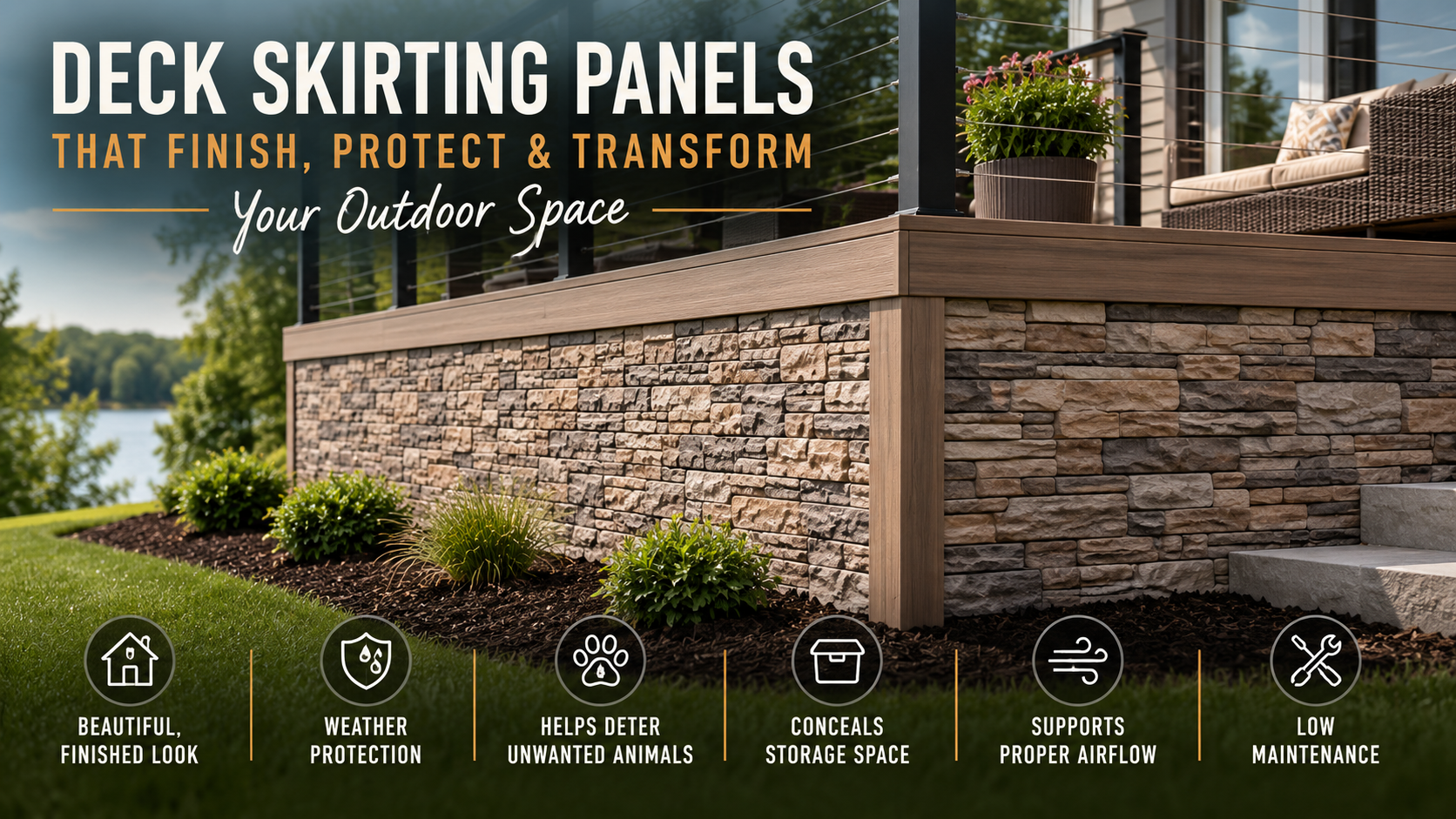
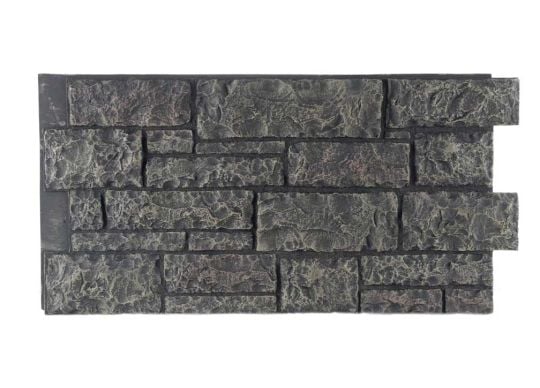
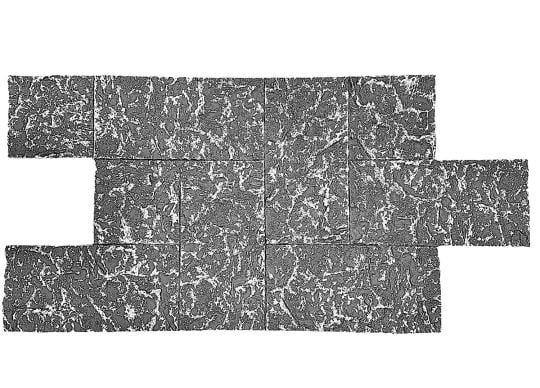
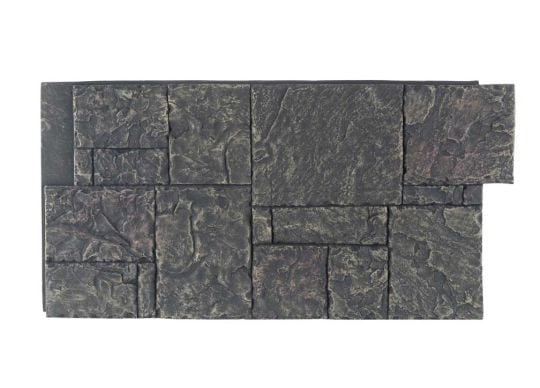

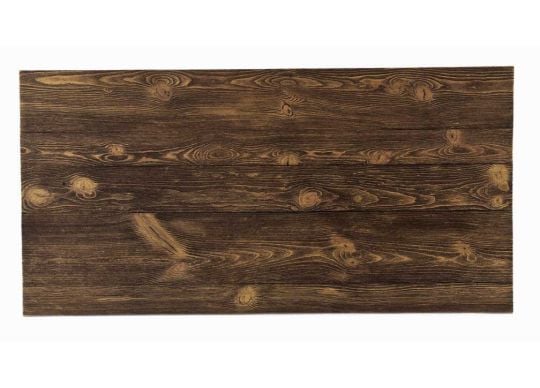
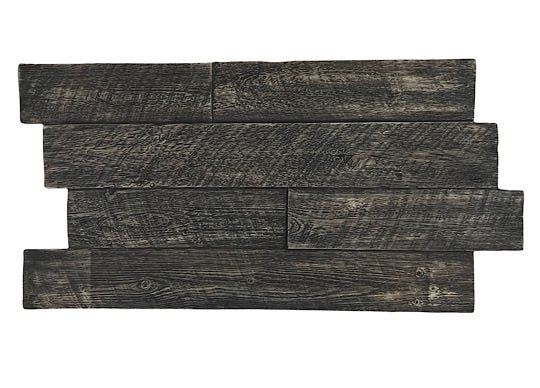

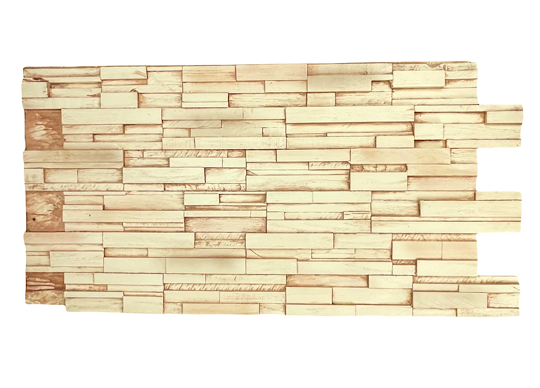
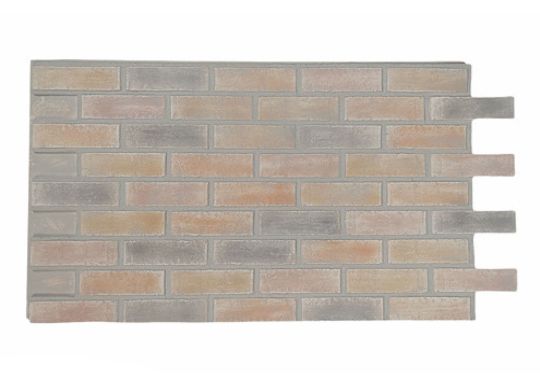
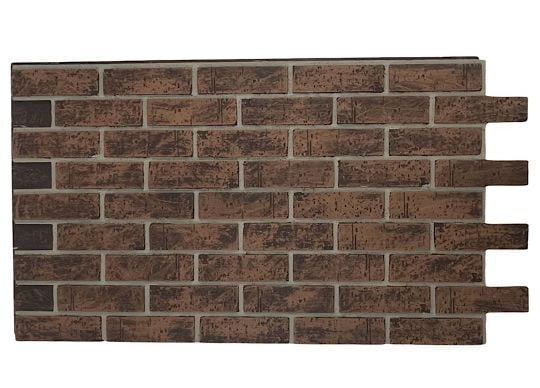
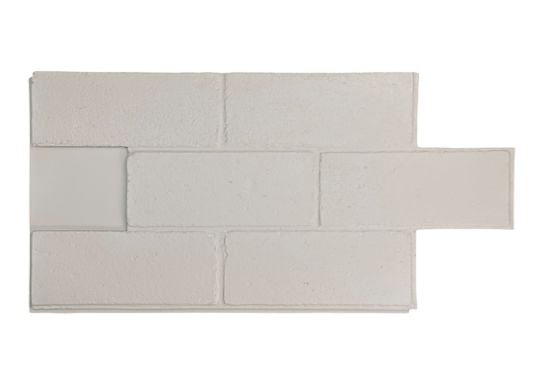
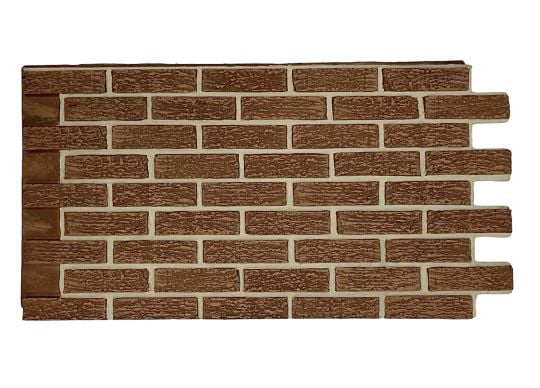

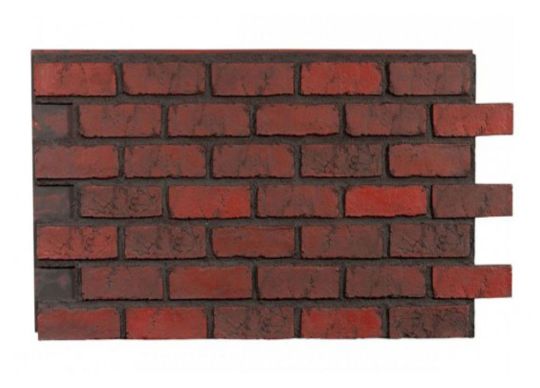
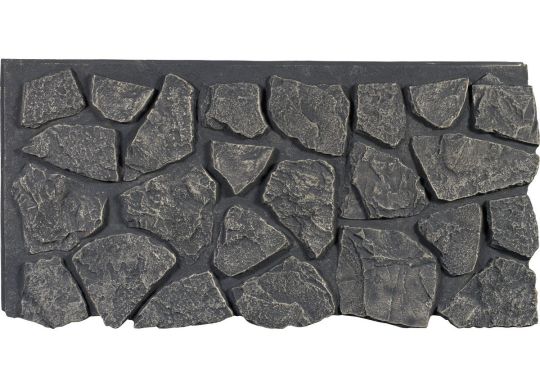
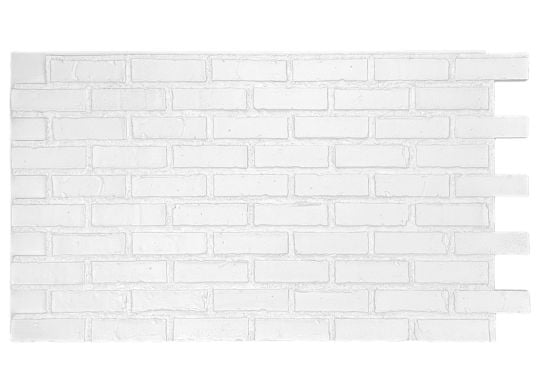

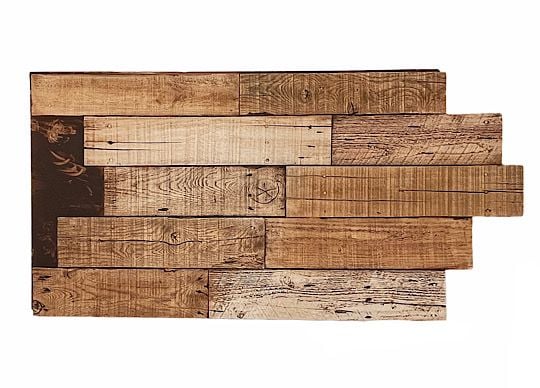
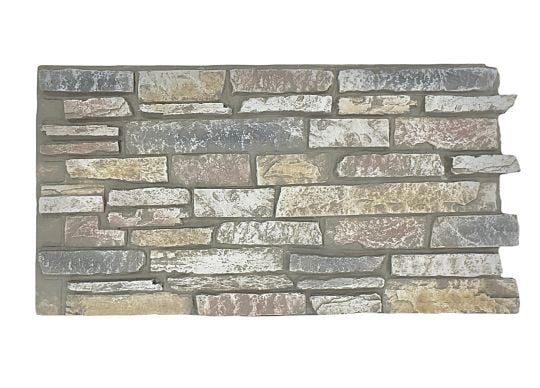
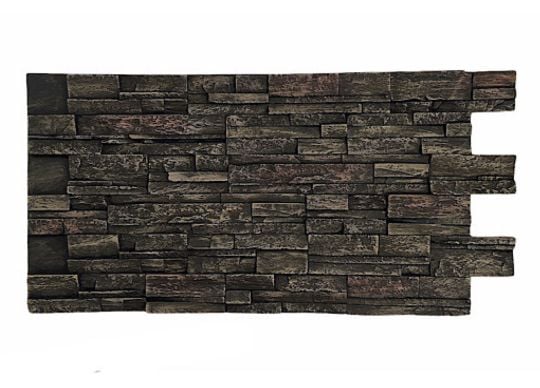
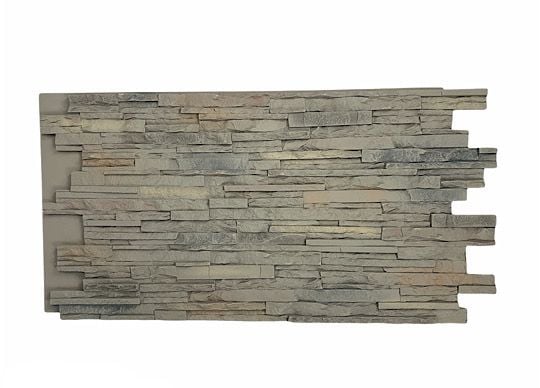
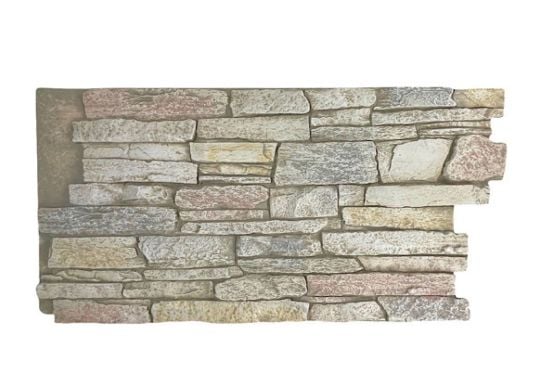
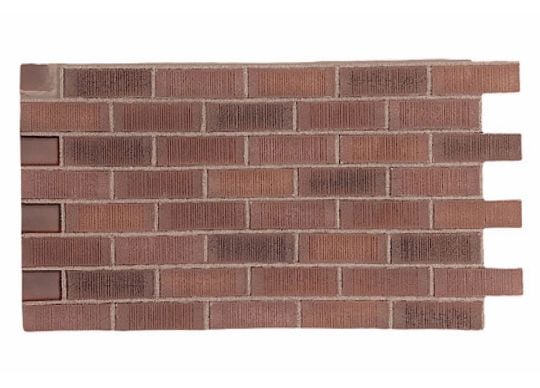
Deck Skirting Panels That Finish, Protect & Transform Your Outdoor Space
A deck with no skirting might look great from above, but not so much from the side. The open space underneath a deck not only looks untidy; it can also quickly become a catch-all for wind-blown debris, like leaves and twigs.
Deck skirting panels are a visually appealing and functional solution. They enclose the open space beneath an elevated deck, concealing support posts and bare ground from view while keeping out both yard waste and pests seeking shelter.
With the right designs and materials, deck skirting can also boost your property’s curb appeal. Decorative outdoor panels can be installed to match or complement your home’s exterior, transforming an unfinished-looking deck into an attractive architectural feature.
Below, you’ll find what to consider before choosing the best deck skirting panels for your space.
What Are Deck Skirting Panels?
Deck skirting panels are exterior panels installed around the perimeter of a deck to enclose the open space between the deck surface and the ground. Unlike fascia boards, which attach to the outer edge of the deck frame, skirting covers the vertical area below.
Deck skirting panels are often advertised under other names, like deck skirting cladding, under-deck paneling, or decorative deck panels.
While wood and metal panels are traditional, there are now many other options to suit any budget and style preference. One example is high-density polyurethane decorative panels. Highly durable and weather-resistant, this material is also lightweight, making it easier to install than conventional options.
Why Use Deck Skirting Panels? Key Benefits
Deck skirting is a very popular home improvement project. Far from an optional add-on, deck skirting panels are considered by many homeowners and contractors to be the final, essential step in a professional build. It’s the difference between a deck that looks like it was tacked on top of a yard and one that feels like a seamless and permanent part of your home’s architecture.
Here are some top deck skirting panel benefits:
Attractive, Finished Appearance: Raised decks can look incomplete without enclosure. Panels enhance their appearance.
Weather Protection: Skirting helps keep wind-driven rain, drifting snow, and debris away from the space underneath a deck.
Animal Deterrence: Solid panels can deter larger animals, such as raccoons and skunks, from nesting underneath.
Concealed Storage Potential: The space below can be used to store garden tools or outdoor equipment.
Airflow Management: When properly vented, deck skirting solutions help improve air circulation within the home and prevent moisture buildup.
Low Maintenance: Modern panels resist rot, rust, and corrosion.
It’s worth noting that while solid panels can limit access for larger animals, they do not eliminate insects. Small gaps and soil contact still allow insects through. Proper ventilation, ground prep, and screened vents play a bigger role in long-term pest management than panel material alone.
Best Materials and Design Options
There are several approaches to decorative deck skirting panels, and your climate and style preferences will guide the right choice. Some popular options are:
Wood Boards
Wood offers a classic finish but requires staining or sealing to resist moisture. Over time, it may warp or rot in wet climates.
PVC Skirting
PVC skirting resists moisture and insects. These weather-resistant deck panels are lightweight and easy to cut.
Composite Skirting
Composite materials match many modern decking systems and require less upkeep than wood.
Decorative Outdoor Panels
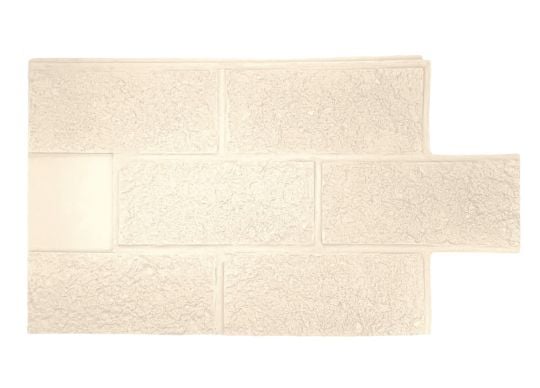
Structured exterior panels add depth and architectural detail. Some styles include perforations that support airflow while maintaining visual interest.
Vent panels or decorative perforations help maintain airflow while reducing access for larger animals. For added protection against rodents, many homeowners install hardware cloth or metal mesh behind the skirting. Insects, however, may still enter through small gaps, so drainage and airflow remain important.
Faux Stone and Brick Panels
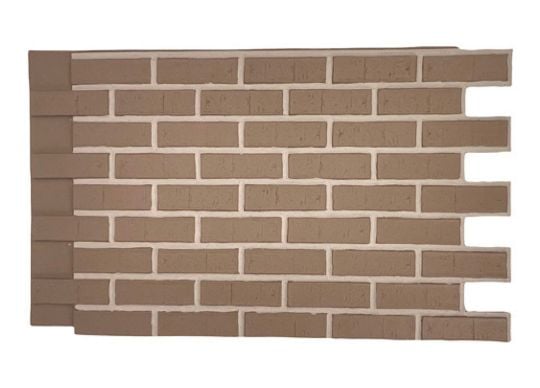
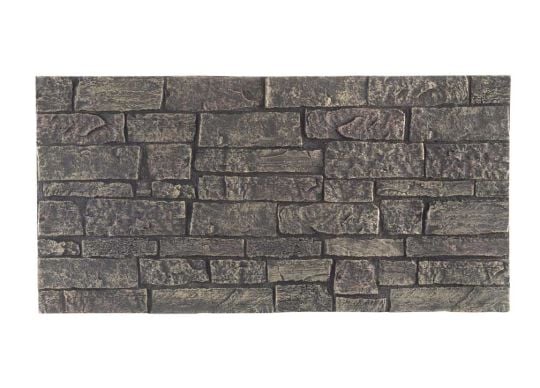
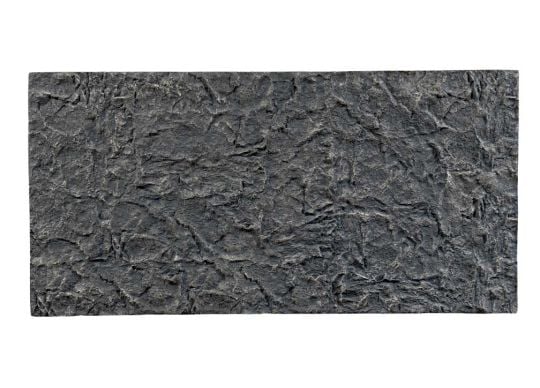
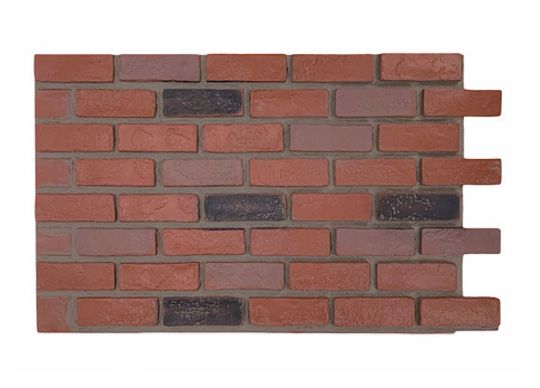
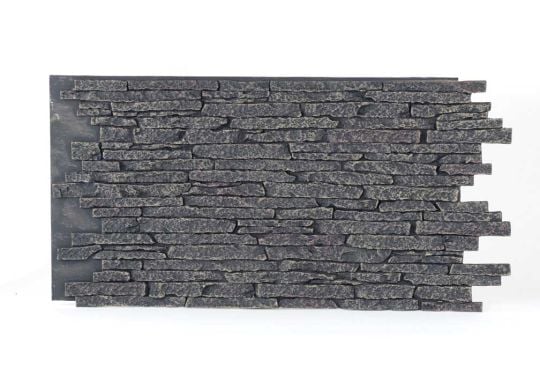
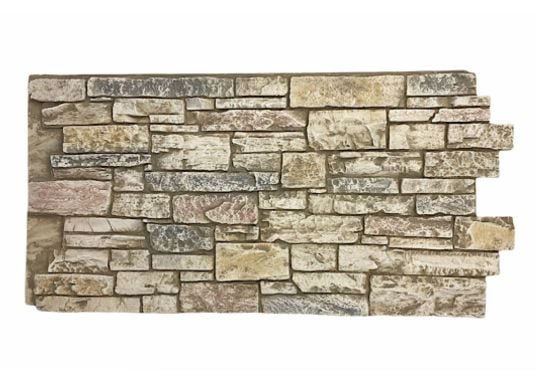
For a more substantial look, faux masonry panels create the appearance of a built-in foundation. Texture Plus offers outdoor-rated faux stone and brick panels that function well as weather-resistant deck panels. These panels are made from high-density polyurethane and are designed to withstand exterior conditions without corroding.
Faux stone skirting works exceptionally well on homes with masonry accents. Brick-style panels provide a traditional look, while stacked stone styles add texture and dimension.
When comparing options, many homeowners choose weatherproof skirting solutions that balance durability with visual appeal.
What to Consider Before You Buy
Before selecting panels, it helps to think through airflow, drainage, and access.
Panel Size and Measurements
Measure the height from the deck framing to the ground at multiple points. Ground levels can vary slightly, so account for slope and trim allowances.
Ventilation Requirements
Most building codes require enclosed “under-floor” areas to be ventilated to prevent dry rot and mold. If your deck is attached to your home, the space underneath may be considered a crawlspace and must be ventilated.
Plan for vented sections or screened openings to maintain airflow while keeping animals out.
Utility Access
Gas meters, electrical shut-offs, and outdoor faucets must be accessible. Consider installing removable panels or access doors when designing your layout.
Local Code Compliance
Exterior deck upgrades may be subject to local building regulations. Always confirm requirements before fully enclosing a space.
Doing your research and taking the above steps can help you avoid having to redo your installation later.
Deck Skirting Installation Guide
Knowing how to install deck skirting panels in advance helps you plan your project with greater confidence. Note that while details vary by material, the overall process is similar regardless of whether you opt for stone-look or faux brick panels.
Some typical deck skirting installation tasks are as follows:
- Clear and level the area around the deck perimeter.
- Plan drainage and airflow gaps at the base of the skirting.
- Install framing or backing supports where needed.
- Attach panels with corrosion-resistant fasteners.
- Integrate ventilation openings or screened vents.
- Finish edges with trim for a clean appearance.
The following are some helpful deck skirting tips to help ensure stress-free installation and quality results:
- Avoid sealing the skirting completely airtight.
- Keep panel edges slightly above soil level.
- Maintain access points for utilities.
- Use panels rated for exterior conditions.
Many panel systems are suitable for DIY installation, but you might need to hire a professional if structural framing adjustments are required.
Deck Skirting Design Ideas and Inspiration
The material and color you choose can change how the entire deck looks from the yard.
Here are practical deck skirting design ideas to consider:
Match Your Home’s Siding: Choose a color or texture that complements your home's exterior. This works particularly well on attached decks where you want a cohesive exterior appearance.
Create a Masonry-style Base: Faux stone or brick panels can give the deck the look of a solid foundation. This approach works well for raised decks and pairs nicely with homes that already feature stone accents.
Use Perforated Panels for Airflow: Decorative perforated panels allow air to circulate while maintaining a clean exterior look. They’re a good option when ventilation is required, but you want something sturdier than lattice.
Incorporate Access Doors: If you plan to use the space underneath for storage, build in a hinged or removable section. This keeps the area accessible without interrupting the overall design.
Add Contrast With Color: A darker skirting panel beneath lighter decking boards can visually anchor the structure and make the deck appear more grounded.
Homeowners searching for deck panels for backyard upgrades often want skirting that looks finished rather than temporary. Solid, textured panels provide a more structured appearance compared to traditional lattice.
Texture Plus decorative outdoor panels make it easier to coordinate color and texture with siding, trim, or other exterior elements, helping your deck feel like a natural extension of your home.
Deck Skirting FAQs
What are deck skirting panels made of?
They’re typically made from wood, PVC, composite materials, or high-density polyurethane for decorative styles like faux stone.
Do deck skirting panels need ventilation?
In most cases, yes. Ventilation helps prevent moisture buildup and may be required by local building codes.
Can panels be customized?
Most exterior panels can be cut to size. Decorative styles may also be color-matched to coordinate with your home.
What maintenance is required?
Maintenance depends on the material. Wood may require sealing or repainting. Composite and polyurethane panels typically require occasional cleaning with mild soap and water.
Finish Your Deck With the Right Deck Skirting Panels
More than just hiding bare ground and supports from view, the right deck skirting solutions help keep animals out, maintain airflow, and give raised decks a cleaner, more attractive base.
From composite boards to textured faux stone, Texture Plus offers a wide range of deck skirting panels. These products are suitable for long-term outdoor use and hold up well despite constant exposure to the elements. At the same time, they add texture, depth, and color, transforming decks into stylish and functional outdoor spaces.
Browse our deck skirting panel collection, and order online today. You may also reach out to our customer service team for more information or help with your purchase.
 Guide
Guide 
 Tips
Tips 
 Guide
Guide