Whether you’re refreshing an accent wall, upgrading a fireplace, or elevating a storefront, the right material can instantly transform a space. From faux and real stone to brick veneer, each offers its own balance of beauty, cost, and convenience.
With a variety of styles and finishes available, it’s simple to achieve the look and feel of real stone, without the weight, cost, or installation hassle.
This guide breaks down everything you need to know, from cost and durability to installation and design versatility so that you can find the perfect fit for your next project.
Why Compare Faux Stone, Real Stone and Brick Veneer?
Each of these materials captures the charm of traditional masonry but performs very differently in real-world settings.
- Faux Stone Panels: Provide a realistic look with quick and easy installation
- Real Stone: Offers authenticity and unmatched longevity, but at a higher price and weight
- Brick Veneer: Provides timeless character in a thinner form, less weight than real brick
Whether you’re going for rustic charm or modern elegance, understanding the differences helps you design confidently and stay on budget.
Faux Stone Panels
What They’re Made Of
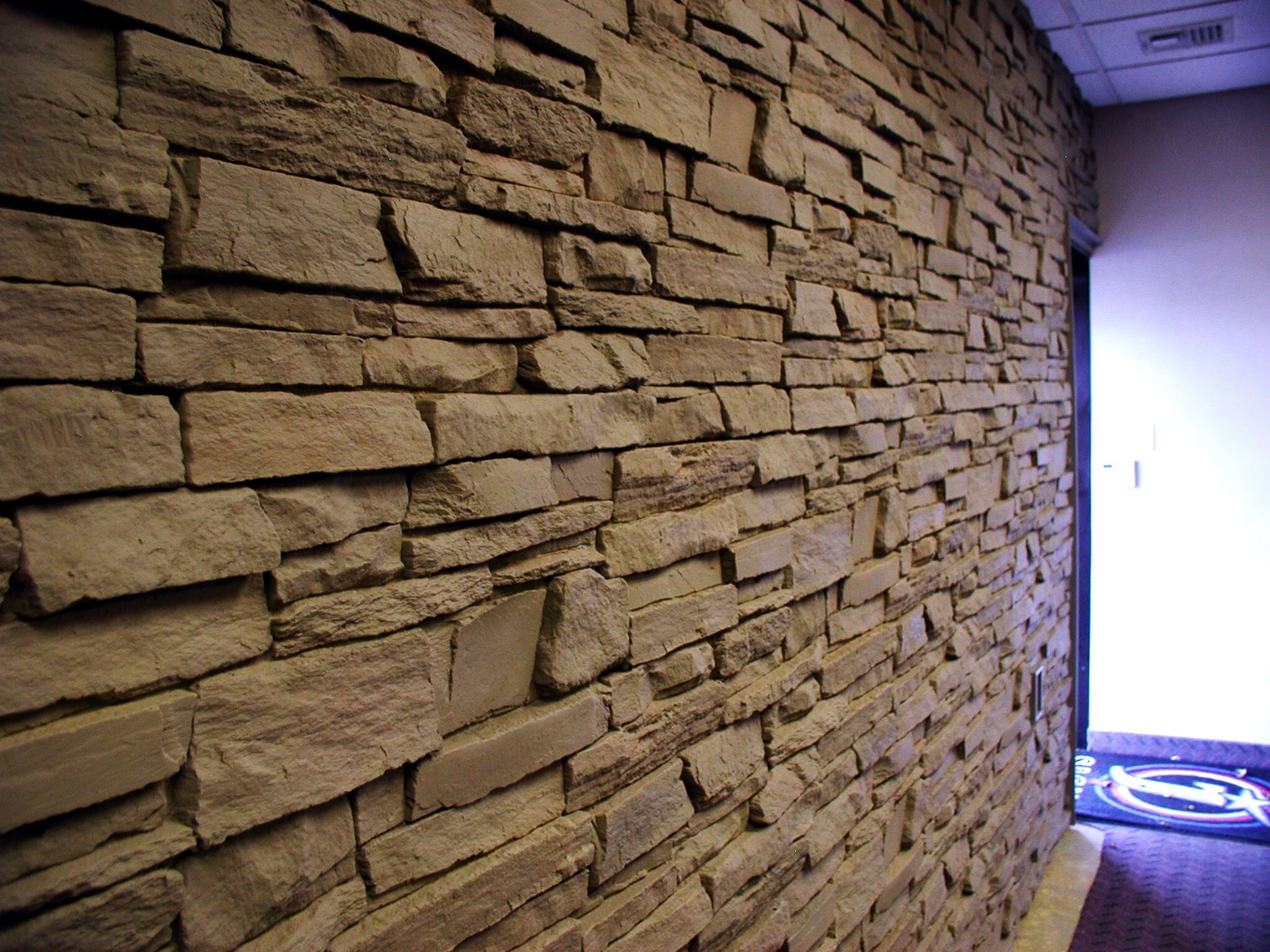
Faux stone panels, also known as manufactured stone, are made from lightweight polyurethane molded to replicate the textures of real stone. The result is a realistic appearance that’s easy to cut, lift and install.
Cost Per Sq. Ft.
Compared to natural stone, you’ll spend about half as much, and save even more if you install it yourself.
- Material Cost: $8–$12 per sq. ft.
- Installed Cost: $14–$22 per sq. ft.
Pros
- Lightweight and DIY-friendly
- Affordable and low maintenance
- Versatile for both indoor and outdoor projects
- Wide variety of colors and styles
- No special equipment or structural support needed
Cons
- Slightly less heat- and impact-resistant than real stone
- Lifetime durability
Best Uses
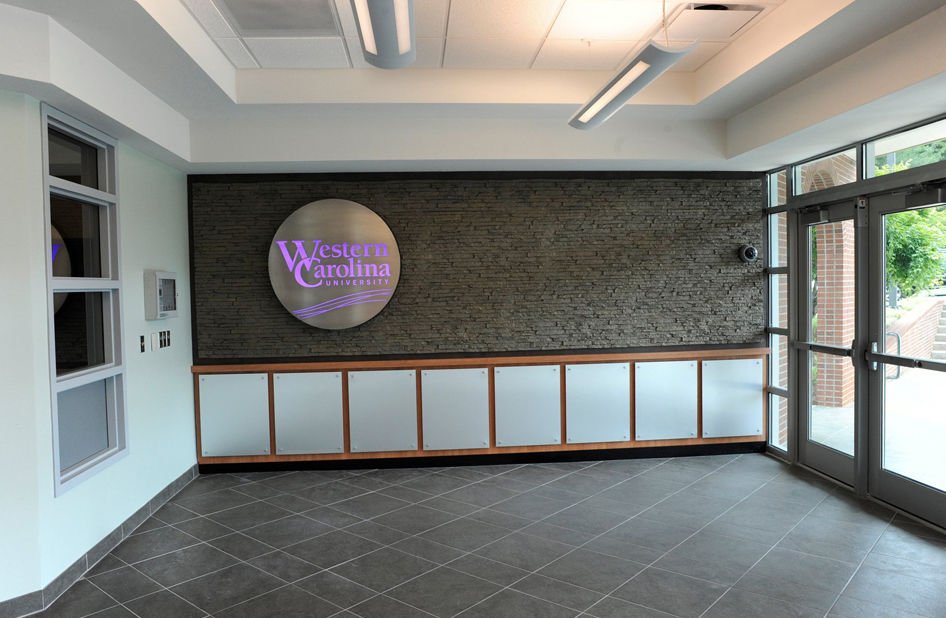
Faux stone panels are very versatile, making them a go-to choice for a wide range of home and commercial projects. They work beautifully on interior accent walls and fireplaces, instantly adding warmth and texture to any room. On exteriors, they elevate façades and entryways with a natural, high-end look that’s easy to maintain.
They are commonly used in restaurant and retail feature walls, where visual impact matters just as much as durability. And for homeowners tackling quick renovations or DIY makeovers, faux panels make it simple to transform spaces without heavy tools or lengthy installation times.
Tip: Try installing faux panels around kitchen islands or outdoor kitchens for a realistic stone finish that installs in hours, not days.
Real Stone
What It Is and How It’s Sourced
Real stone is exactly what it sounds like, quarried stone that’s cut, shaped and refined for use as cladding or veneer. Each piece features unique veining, texture and color that only nature can create.
Cost Per Sq. Ft.
While it’s the most expensive option, real stone is also the most permanent, adding value and authenticity that lasts decades.
- Material Cost: $20–$35 per sq. ft.
- Installed Cost: $40–$60 per sq. ft.
Pros
- 100% natural and unique appearance
- Highly durable and weather-resistant
- Fire- and impact-proof
- Adds significant property value
Cons
- Heavy and labor-intensive to install
- Requires reinforced surfaces
- Higher material and transportation costs
- Limited color consistency
Best Uses
Real stone is most often used in projects where craftsmanship and permanence matter most. It brings timeless beauty to high-end residential exteriors, outdoor landscaping, retaining walls and luxury commercial façades that demand a striking, natural presence.
Indoors, it’s a popular choice for custom fireplaces and statement walls, adding depth and texture that only authentic stone can provide.
Tip: If you’re designing a forever home or luxury space, real stone delivers the elegance and durability to match your vision for the long term.
Brick Veneer (Thin Brick Panels)
What It’s Made Of
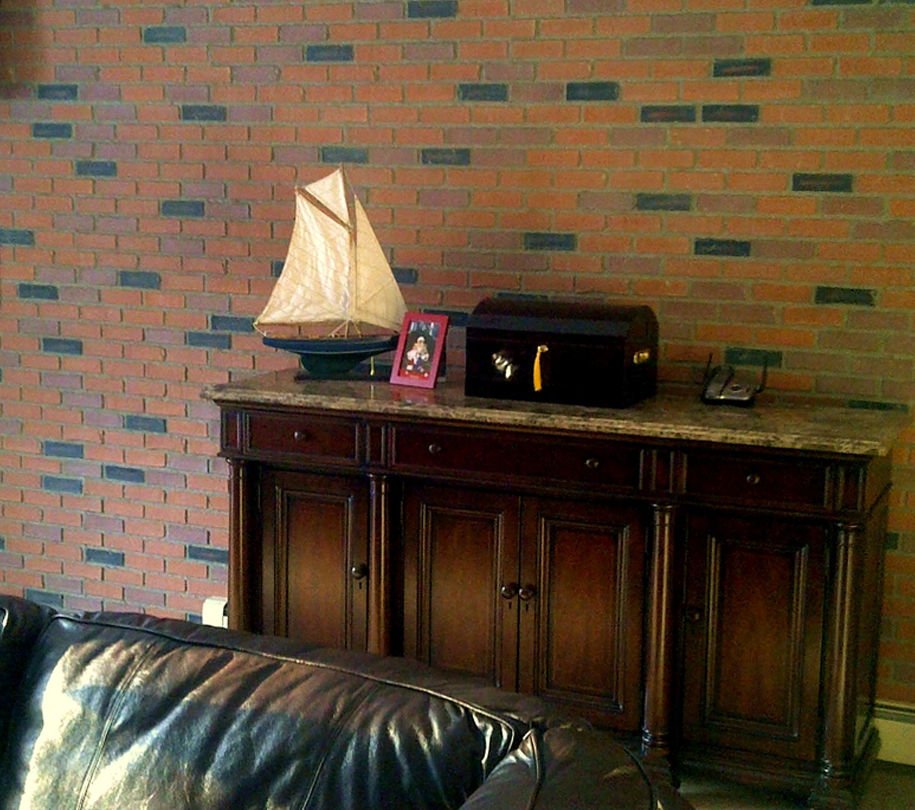
Brick veneer, also known as thin brick, is made from genuine clay brick that’s sliced into lightweight panels. It recreates the classic appeal of traditional brick without the structural weight or installation hassle.
Cost Per Sq. Ft.
It’s one of the most affordable ways to add classic texture to your walls, inside or out.
- Material Cost: $6–$10 per sq. ft.
- Installed Cost: $14–$25 per sq. ft.
Pros
- Authentic brick look and texture
- Easier to install than brick
- Works in modern or rustic designs
- Cost-effective and low maintenance
Cons
- Not as strong as solid brick
- Mortar joints may need occasional repair
- Slightly heavier than faux stone
Best Uses
Brick veneer is a versatile choice that fits into a wide range of spaces. It adds warmth and texture to lofts, kitchens and fireplace surrounds, while offering a stylish, durable finish for café and restaurant interiors.
On exteriors, it enhances accent walls with classic charm, and in home offices or retail displays, it brings a professional and welcoming feel.
Tip: For a timeless, urban look, thin brick panels deliver rich character and depth without the weight, mess or cost of full masonry.
Cost Analysis — Faux Stone vs. Real Stone Cost
For a 100 sq. ft. wall project, here’s what to expect:
- Faux Stone Panels: $800–$1,200 (DIY) or $1,400–$2,200 (installed)
- Real Stone: $2,000–$3,500 (materials) or $4,000–$6,000 (installed)
- Brick Veneer: $600–$1,000 (materials) or $1,400–$2,500 (installed)
That means faux stone can save you up to 60% compared to real stone, while still delivering the same sophisticated look. For many homeowners and designers, the savings go straight into other upgrades like lighting, furniture or landscaping.
Brick Veneer vs. Faux Panels — Which Is Better for Your Project?
Choosing between brick veneer and faux stone panels depends on your personal style and the surface.
- Faux Stone Panels: Offer texture and depth, perfect for rustic or contemporary designs.
- Brick Veneer: Brings warmth and traditional charm, making it great for vintage-inspired spaces.
If you’re tackling a large wall or need quick installation, faux panels are lighter, easier to cut and often faster to install. For a smaller feature wall or loft-style interior, brick veneer captures timeless appeal with less effort than full masonry.
Maintenance and Longevity of Each Material
Keeping your wall finish looking great is simple:
- Faux Stone Panels: Clean occasionally with a damp cloth or mild soap, no sealing is needed
- Real Stone: Virtually maintenance-free; reseal periodically for long-term protection
- Brick Veneer: Occasional grout checks or spot cleaning keep it looking fresh
All three materials are built to last, but faux stone panels offer the best balance between easy care and lasting beauty.
Which Option Should You Choose?
Each material brings something unique:
- Choose faux stone panels for lightweight, affordable and quick transformations.
- Real stone offers unmatched authenticity and long-term durability.
- For timeless character and moderate cost, choose brick veneer.
With the right material, you can refresh a room, elevate curb appeal or create a feature that draws attention for years to come.
Bring Texture, Style and Savings to Your Next Project
Ready to see how easy it can be to upgrade your space? Texture Plus’ options combine realistic design with lightweight convenience, perfect for homeowners, contractors or designers who want high-end looks without high-end costs.
Order free samples or explore the full collection at TexturePlus.com.